How Soil Conditions Should Drive Your Trencher Wear Part Selection
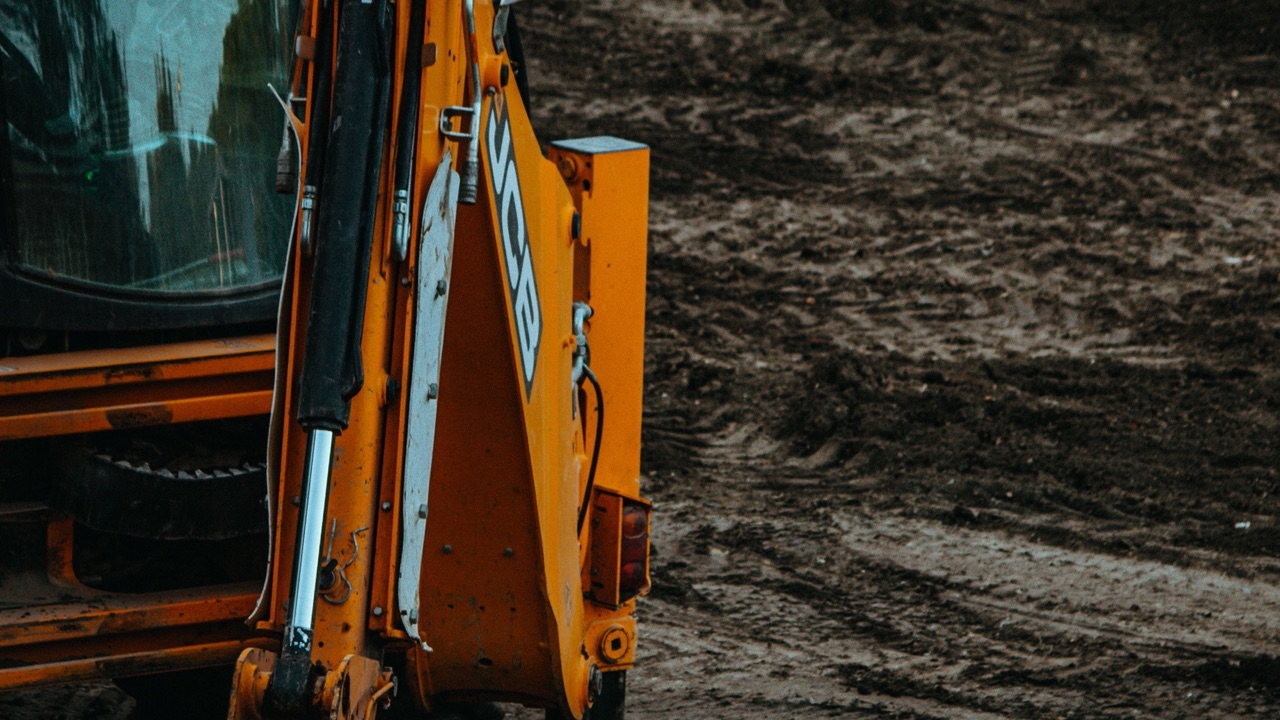
Trencher wear parts don’t fail the same way in every ground condition, and they don’t wear at the same rate either. A tooth that performs well in sandy loam for hundreds of hours can chip and fail within a shift in fractured rock. A cup tooth designed for hard clay cuts through compacted ground smoothly but wears prematurely in sandy conditions where abrasion rather than shear stress is the dominant force. The mismatch between wear part selection and actual soil conditions is one of the most reliable ways to run up parts costs on a trenching operation.
Getting this right isn’t difficult once you know what to look for — both in the ground you’re cutting and in the parts you’re running.
Sandy and loose soils: abrasion is the primary enemy
In sandy, gravelly, or otherwise loose soil conditions, the cutting action is less about fracturing the soil matrix and more about moving material out of the cut. The teeth aren’t breaking anything — they’re scraping and scooping through material that’s already relatively unconsolidated.
The wear pattern that results is abrasive rather than impact-driven. The carbide tip wears from the outside in, and the tooth body behind the tip wears from the exposed faces where soil is constantly moving past. In these conditions, the hardness and thickness of the carbide matters more than its toughness. A larger carbide insert with a flat or slightly crowned geometry presents more wear surface and lasts longer than a pointed tip that offers more cutting aggression but less wear resistance.
The other factor in sandy conditions is how well the tooth sheds material. Teeth with smooth transitions between the tip and the tooth body allow soil to slide past rather than pack into pockets. Packed soil in and around the tooth creates secondary abrasion as the rotor spins and material grinds against itself.
Clay and compacted soils: shear strength requires the right geometry
Dense clay and heavily compacted soils present a different problem. The material has cohesive strength that resists cutting — it doesn’t fall away from the cut face the way sandy soil does. Instead, it has to be sheared from the surrounding ground, and the geometry of the tooth determines how effectively that happens.
Cup teeth and conical picks both work in clay, but they work differently. Cup teeth present a curved cutting edge that enters the soil and scoops material upward and outward. They’re effective in medium-density clay where the material can be lifted cleanly. Conical picks apply a more focused point load that fractures the clay around the tip before the tooth body clears the material. In harder, drier clay with more like-rock behavior, the point load geometry of a conical pick tends to be more efficient.
The issue in clay is heat and buildup. Clay that’s wet enough tends to stick to tooth surfaces, gradually fouling the cutting geometry and reducing effective cutting depth. In conditions where clay buildup is a problem, more frequent inspection and cleaning matters as much as part selection.
Rock and hard ground: impact resistance over everything else
Trenching in rock — whether solid bedrock, fractured rock, or heavily consolidated material with rock inclusions — changes the wear part requirement fundamentally. Impact resistance becomes the primary selection criterion. Carbide grade, tooth geometry, and the way the tooth is retained in the holder all matter more in rock conditions than in any other ground type.
The failure mode in rock isn’t abrasion — it’s fracture. A tooth that’s too hard becomes brittle when it hits rock at operating speed, and brittle carbide chips rather than wears. The right carbide grade for rock work is specifically formulated to absorb impact without fracturing while still maintaining enough hardness to resist the abrasion that comes with every cut.
Conical picks generally outperform cup teeth in hard and fractured rock because the point geometry distributes load onto the strongest part of the carbide tip and allows the tooth to rotate slightly in its holder under impact, presenting fresh carbide to the cut face rather than wearing one spot to failure. Self-sharpening behavior in conical picks — where the carbide tip is continuously exposed as the steel body wears — means the cutting geometry stays relatively consistent even as the tooth ages.
Mixed and variable conditions: the selection compromise
Many trenching jobs don’t stay in one soil type for the full run. A project might start in topsoil, transition into clay, encounter rock inclusions at depth, and then shift back to sandy subsoil on the far end of the run. Selecting wear parts for mixed conditions requires accepting some compromise — you’re probably not optimizing for any single soil type, and you’re trying to find a tooth that performs acceptably across all of them.
In genuinely mixed conditions, a medium-grade conical pick in the 35–45mm range tends to split the difference better than most alternatives. It handles clay well enough, manages light rock encounters without catastrophic failure, and doesn’t wear prematurely in sandy material the way a very aggressive cutting geometry might.
The practical approach in variable conditions is to run a first pass to see how the ground actually behaves, assess the wear pattern after a few hours, and adjust from there if the pattern suggests a mismatch. A tooth wearing from the tip in is working in abrasive material. A tooth chipping is seeing harder impacts than it was designed for.
Holder condition affects every wear part decision
Tooth selection only matters if the holders are in acceptable condition. Worn holders allow teeth to shift under load, which changes the cutting geometry and concentrates wear in ways the tooth wasn’t designed to handle. A correctly spec’d tooth in a worn holder will underperform compared to the same tooth in a new holder, and it’s often the holder condition rather than the tooth selection that’s limiting performance.
Checking holder wear at every tooth rotation interval — not just when replacing teeth — is the habit that makes wear part selection decisions meaningful. If the holders are variable in condition, even a correct tooth selection produces inconsistent results across the rotor.
For a full range of tooth geometries and carbide grades matched to specific ground conditions, the trencher wear parts available through JYF cover the common configurations — useful when you’re trying to identify the right part for a specific machine and soil type rather than defaulting to whatever’s in stock.
The soil tells you what it needs. The wear pattern confirms whether you got the selection right.